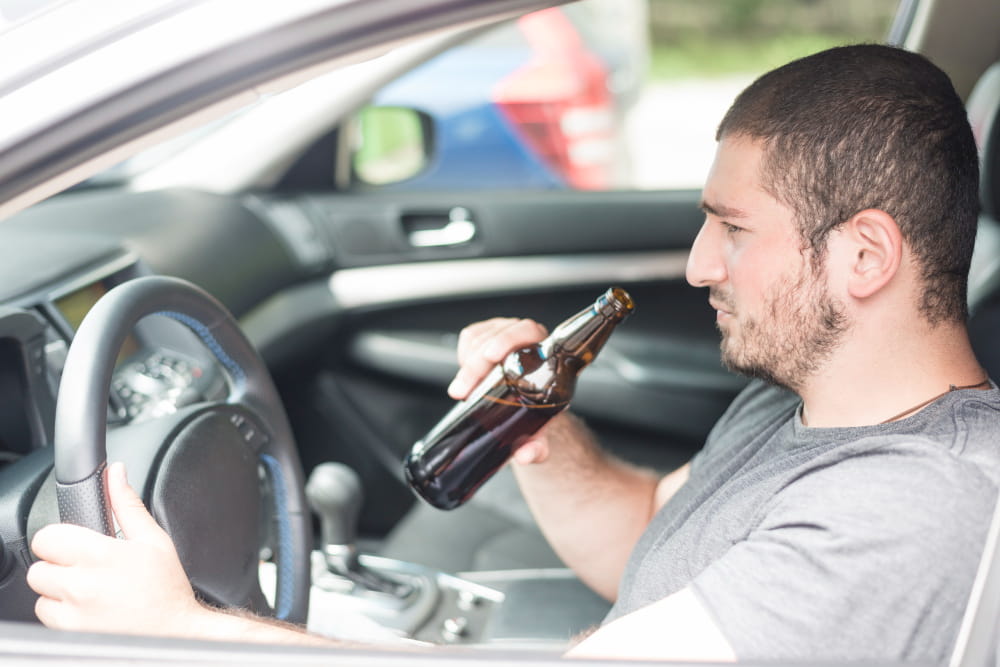
When a drunk driver causes an accident in Colorado, victims face physical injuries, emotional trauma, and mount financial burdens. Understanding how to prove drunk driving accident claims is essential for securing the compensation you deserve. At Lampert & Walsh, LLC, our experienced attorneys help injury victims gather compelling evidence to hold intoxicated drivers accountable and maximize their recovery.
According to the National Highway Traffic Safety Administration (NHTSA), drunk driving crashes claim approximately 13,384 lives annually in the United States. In Colorado specifically, alcohol-impaired driving fatalities represented 30% of all traffic deaths in recent years. These statistics underscore the devastating impact of impaired driving and the critical importance of building strong legal cases against negligent drivers. This blog explores the key types of evidence used in drunk driving injury claims and how they strengthen your case.
Understanding Blood Alcohol Concentration (BAC) Evidence
BAC evidence represents the cornerstone of most drunk driving accident claims. Blood alcohol concentration measures the percentage of alcohol in a person’s bloodstream, and Colorado law establishes a legal limit of 0.08% for drivers aged 21 and older.
Types of BAC Testing
Several testing methods provide BAC evidence:
Breathalyzer Tests: These roadside devices measure alcohol content through breath samples. Police officers typically administer breathalyzer tests immediately after accidents, providing real-time evidence of intoxication. While breathalyzer results can be challenged in court, they serve as powerful preliminary evidence.
Blood Tests: Blood draws offer the most accurate BAC measurements. Medical facilities typically perform these tests on drivers transported to hospitals after accidents. Blood test results carry significant weight in legal proceedings due to their precision and reliability.
Urine Tests: Though less common, urine tests can detect alcohol presence. However, they’re generally considered less reliable than blood tests for determining exact BAC levels at the time of the accident.
According to the Centers for Disease Control and Prevention (CDC), drivers with BAC levels of 0.08% or higher are involved in nearly 10,500 deaths annually, accounting for 28% of all traffic fatalities.
The Critical Role of Police Reports
Police reports provide comprehensive documentation of accident scenes and serve as foundational evidence in drunk driving claims. Officers responding to accidents document numerous details that support your case.
What Police Reports Include
A thorough police report contains:
- Officer observations of the driver’s behavior, speech, and physical appearance
- Results of field sobriety tests administered at the scene
- Breathalyzer or preliminary alcohol screening results
- Witness statements collected immediately after the accident
- Accident reconstruction details including skid marks, vehicle positions, and road conditions
- Citations or arrests issued to the intoxicated driver
- Weather and visibility conditions at the time of the crash
Officers trained in recognizing intoxication signs note specific indicators such as bloodshot eyes, slurred speech, alcohol odor, unsteady gait, and confused responses. These observations, combined with failed field sobriety tests, create a compelling narrative of impairment. Contact our team to obtain and analyze police reports that strengthen your claim.
Witness Testimony: Corroborating Your Case
Witness testimony adds crucial context and corroboration to drunk driving claims. Multiple witnesses observing the same impaired behavior create a powerful, multi-layered case.
Types of Valuable Witnesses
Accident Scene Witnesses: People who observed the crash provide firsthand accounts of erratic driving, the collision itself, and the driver’s post-accident behavior. Their testimony can describe swerving, excessive speed, running red lights, or other dangerous behaviors consistent with impairment.
Bar or Restaurant Staff: If the driver consumed alcohol before the accident, bartenders, servers, or other establishment employees can testify about the number of drinks served, the driver’s visible intoxication, and any concerns they raised. Colorado’s dram shop laws may also hold establishments liable for overserving visibly intoxicated patrons.
Passengers: Individuals riding with the drunk driver offer intimate knowledge of alcohol consumption before driving. Their testimony about the driver’s drinking, refusal to use a designated driver, or acknowledgment of impairment proves invaluable.
Expert Witnesses: Accident reconstruction specialists, toxicologists, and medical experts provide professional analysis of BAC evidence, accident causation, and injury severity. Their credentials lend authority to technical aspects of your claim.
Additional Evidence Strengthening Your Claim
Beyond BAC evidence, police reports, and witness testimony, several other evidence types bolster drunk driving injury claims.
Surveillance and Dashcam Footage
Video evidence captures accidents in real-time, showing erratic driving patterns, traffic violations, and collision dynamics. Sources include:
- Traffic camera footage from intersections
- Business security cameras near the accident scene
- Dashcam recordings from your vehicle or others nearby
- Police body camera footage documenting the driver’s behavior during the investigation
Medical Records and Documentation
Your medical records establish the extent and severity of injuries directly caused by the drunk driver. Emergency room reports, diagnostic imaging, treatment plans, and ongoing care documentation connect your injuries to the accident. These records also support damage calculations for medical expenses, lost wages, and pain and suffering.
Social Media and Digital Evidence
Drunk drivers often post incriminating evidence on social media platforms. Photos of drinking, check-ins at bars immediately before accidents, or posts acknowledging intoxication can be preserved and used in legal proceedings. Text messages, phone records, and GPS data also provide timeline evidence.
Prior DUI History
If the at-fault driver has previous drunk driving convictions, this history demonstrates a pattern of dangerous behavior. While past convictions don’t prove current intoxication, they establish recklessness and disregard for public safety, potentially supporting punitive damages claims.
Evidence Comparison Table
| Evidence Type | Strength | Availability Timeline | Legal Weight |
|---|---|---|---|
| Blood Test BAC | Very High | Within hours of accident | Extremely Strong |
| Breathalyzer Results | High | Immediate at scene | Strong |
| Police Report | High | 3-7 days after accident | Strong |
| Witness Testimony | Moderate to High | Varies | Moderate to Strong |
| Video Footage | Very High | Immediate to days | Extremely Strong |
| Medical Records | High | Ongoing | Strong |
| Social Media Posts | Moderate | Varies | Moderate |
Colorado DUI Statistics Table
| Statistic | Value | Source |
|---|---|---|
| Annual Alcohol-Related Traffic Deaths (US) | 13,384 | NHTSA |
| Colorado Alcohol-Impaired Fatality Rate | 30% of all traffic deaths | NHTSA State Data |
| Legal BAC Limit (Colorado, 21+) | 0.08% | Colorado Revised Statutes |
| Drivers in Fatal Crashes with BAC 0.08%+ | 28% nationally | CDC |
Building a Comprehensive Case
Successfully proving a drunk driving accident claim requires strategic evidence of collection and presentation. Our attorneys at Lampert & Walsh, LLC follow a systematic approach:
Immediate Documentation: We guide clients to document injuries, preserve physical evidence, and collect contact information from witnesses while memories remain fresh.
Evidence Preservation: We issue spoliation letters to prevent destruction of surveillance footage, phone records, and other time-sensitive evidence.
Expert Consultation: We engage accident reconstructionist, medical experts, and toxicologists who analyze evidence and provide authoritative testimony.
Comprehensive Investigation: Our team interviews witnesses, reviews social media, examines the driver’s history, and uncovers all available evidence supporting your claim.
Legal Considerations in Drunk Driving Claims
Colorado law provides enhanced remedies for victims of drunk driving accidents. Beyond compensatory damages for medical expenses, lost wages, and pain and suffering, victims may pursue punitive damages designed to punish egregious conduct and deter future drunk driving.
To recover punitive damages, you must prove the driver acted with willful and wanton disregard for others’ safety. BAC evidence significantly above the legal limit, combined with prior DUI convictions or extreme circumstances, supports these claims. Read testimonials from clients who have successfully recovered maximum compensation with our firm’s guidance.
Acting After a Drunk Driving Accident
If you’ve been injured by a drunk driver in Colorado, protecting your legal rights begins immediately. Evidence degrades, memories fade, and crucial documentation becomes harder to obtain as time passes. Acting quickly ensures the strongest possible case.
At Lampert & Walsh, LLC, we understand the physical, emotional, and financial devastation drunk driving accidents cause. Our dedicated legal team has extensive experience handling complex drunk driving injury claims, and we’re committed to holding negligent drivers accountable while securing the compensation our clients deserve.
Frequently Asked Questions (FAQs)
How long do I have to file a drunk driving accident claim in Colorado?
Colorado’s statute of limitations allows three years from the accident date to file personal injury claims. However, gathering evidence and building strong cases takes time, so consulting an attorney immediately is advisable.
Can I still recover compensation if the drunk driver wasn't arrested?
Yes. Civil injury claims require lower proof standards than criminal convictions. Even without arrest, BAC evidence, witness testimony, and other documentation can prove impairment and support your claim for damages.
What if the drunk driver's insurance is insufficient to cover my damages?
Underinsured motorist coverage on your own policy may provide additional compensation. Punitive damages claims against the driver personally and potential dram shop liability against establishments that over-served the driver offer additional recovery avenues.
How do breathalyzer results differ from blood test results in legal proceedings
Blood tests provide more accurate BAC measurements and carry greater legal weight. Breathalyzer results can be challenged based on calibration issues, administration errors, or medical conditions affecting accuracy. Both remain valuable evidence.
Can social media evidence really be used in drunk driving accident claims?
Absolutely. Posts, photos, check-ins, and messages constitute discoverable evidence. Attorneys can subpoena social media records, and public posts are admissible in court. This evidence often provides compelling proof of drinking before accidents.