
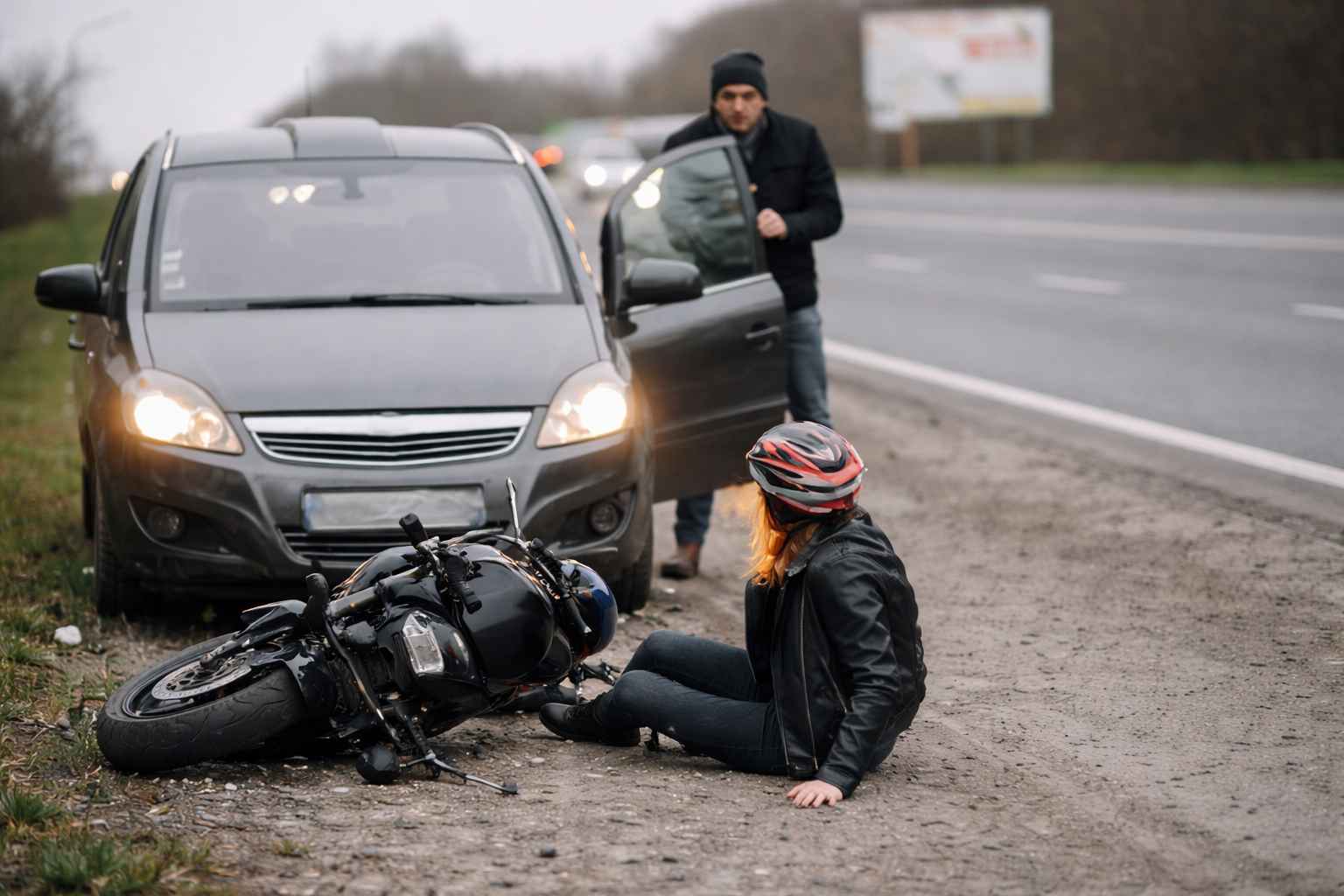
The roar of a motorcycle engine against the backdrop of Denver’s stunning Rocky Mountain views is a cherished experience for thousands of Colorado riders. However, this freedom comes with significant risks. Understanding the causes of motorcycle accidents Denver riders encounter is crucial for prevention and awareness.
At Lampert & Walsh, LLC, we’ve witnessed how devastating motorcycle accidents can be for victims and their families. Our experienced legal team has helped countless Colorado motorcyclists navigate the complex aftermath of crashes caused by negligence, unsafe road conditions, and driver errors. This comprehensive guide examines the most common causes of motorcycle accidents in Denver, providing riders with essential knowledge to stay safe on Colorado’s roads.
The Scope of Motorcycle Accidents in Denver
Denver’s unique urban landscape, combined with Colorado’s varying weather conditions and high-altitude environment, creates specific challenges for motorcyclists. According to the National Highway Traffic Safety Administration (NHTSA), motorcyclists are 28 times more likely than passenger vehicle occupants to die in a crash per vehicle mile traveled.
Understanding these statistics isn’t meant to discourage riding; it’s about empowering motorcyclists with knowledge to reduce their risk on Denver’s streets and highways.
Leading Causes of Motorcycle Accidents Denver Riders Face
1. Distracted Driving
Distracted driving has emerged as one of the most dangerous threats to motorcyclists in Denver. When drivers divert their attention from the road to check smartphones, adjust GPS systems, or engage with passengers, they often fail to see motorcycles in their vicinity.
The Centers for Disease Control and Prevention (CDC) reports that nine people are killed every day in crashes involving a distracted driver in the United States. For motorcyclists, the consequences are particularly severe due to their lack of protective barriers.
Common forms of distracted driving include:
- Texting or using mobile devices while driving
- Eating or drinking behind the wheel
- Adjusting entertainment or navigation systems
- Conversing with passengers
- Applying makeup or grooming
2. Unsafe Lane Change
Unsafe lane change maneuvers represent another critical cause of motorcycle accidents Denver motorcyclists experience daily. Motorcycles occupy less visual space than cars, making them vulnerable to drivers who fail to check blind spots before changing lanes.
According to NHTSA data, lane change crashes account for approximately 4% of all motorcycle accidents nationally, but the severity of these incidents is disproportionately high. In Denver’s heavy traffic corridors, particularly during rush hour on highways like I-25 and Speer Boulevard, unsafe lane changes occur with alarming frequency.
Why unsafe lane changes are so dangerous for motorcyclists:
- Motorcycles can be hidden in a vehicle’s blind spot
- Drivers often misjudge the speed of approaching motorcycles
- Sudden lane changes leave motorcyclists with minimal reaction time
- Limited space to maneuver away from danger
3. Road Hazards
Colorado’s dramatic seasonal changes create unique road hazards that pose serious risks to motorcyclists. Unlike four-wheeled vehicles, motorcycles are extremely vulnerable to surface conditions that cars can navigate with relative ease.
Common road hazards in Denver include:
- Potholes and uneven pavement surfaces
- Gravel and loose debris, especially in construction zones
- Oil slicks and fluid spills
- Railroad tracks and metal grates
- Wet leaves in fall months
- Sand and salt residue from winter road treatments
The Federal Highway Administration emphasizes that proper road maintenance is essential for motorcycle safety, yet budget constraints and Colorado’s harsh weather cycles mean some hazards persist longer than ideal.
4. Weather Conditions Motorcycle Riders Must Navigate
Weather conditions motorcycle enthusiasts encounter in Denver can change rapidly and dramatically. Colorado’s high-altitude location and proximity to the Rocky Mountains create unique meteorological challenges that can catch even experienced riders off guard.
Critical weather-related factors:
- Rain and Wet Roads: Sudden afternoon thunderstorms are common in Denver during summer months. Rain reduces tire traction significantly and increases stopping distances. The first 15 minutes of rainfall are particularly dangerous as water mixes with road oils to create slick surfaces.
- Wind: Denver’s plains location exposes riders to strong crosswinds, particularly on elevated highways and open stretches. Gusts can push motorcycles into other lanes or cause instability at highway speeds.
- Temperature Fluctuations: Denver temperatures can swing 30-40 degrees in a single day. Cold conditions reduce tire flexibility and grip, while affecting rider dexterity and reaction times.
- Hail and Snow: Even during the riding season, surprise hailstorms or early snow can occur in Denver. These conditions create immediate and severe hazards for motorcyclists.
Additional Contributing Factors
Left-Turn Accidents
One of the most common and dangerous scenarios occurs when vehicles making left turns fail to yield to oncoming motorcycles. The Insurance Institute for Highway Safety (IIHS) reports that 42% of two-vehicle fatal motorcycle crashes involve a vehicle turning left while the motorcycle is going straight.
Drivers often misjudge the speed and distance of approaching motorcycles or simply fail to see them altogether. Denver’s busy intersections along Colorado Boulevard, Federal Boulevard, and Colfax Avenue see numerous incidents annually.
Speeding and Aggressive Driving
Excessive speed reduces reaction time and increases crash severity. When combined with Denver’s traffic congestion and complex highway interchanges, speeding becomes especially dangerous for motorcyclists who have less margin for error than enclosed vehicles.
Impaired Driving
Despite Colorado’s strict DUI laws, impaired driving continues to cause motorcycle accidents. Alcohol and drug slow reaction times and impair judgment, making it difficult for drivers to see and respond appropriately to motorcycles.
Inexperienced Riders
Colorado’s beautiful riding conditions attract new motorcyclists every year. However, inexperience combined with powerful bikes and challenging road conditions can prove deadly. Proper training and gradual skill development are essential for safety.
Contributing Factors in Denver Motorcycle Crashes
| Contributing Factor | Percentage of Crashes | Severity Level |
|---|---|---|
| Distracted Driving | 32% | High |
| Unsafe Lane Change | 23% | High |
| Road Hazards | 18% | Medium-High |
| Weather Conditions | 15% | Medium-High |
| Speeding | 28% | Very High |
| Impaired Driving | 21% | Very High |
Data compiled from NHTSA and CDOT reports
Prevention Strategies for Denver Motorcyclists
Understanding causes is only valuable when paired with actionable prevention strategies. Here’s how riders can protect themselves:
- Increase Visibility: Wear bright, reflective gear and use headlights at all times. Consider adding auxiliary lighting to your motorcycle to enhance visibility to other drivers.
- Defensive Riding: Always assume other drivers don’t see you. Position yourself in lanes where you’re most visible and maintain escape routes.
- Weather Awareness: Check forecasts before riding and be prepared to adjust plans or take shelter when conditions deteriorate. Invest in quality rain gear and cold weather equipment.
- Road Scanning: Constantly scan the road surface ahead of hazards. Learn to read pavement for signs of gravel, oil, or water.
- Proper Training: Complete a Motorcycle Safety Foundation course and continue practicing skills regularly, especially after winter months.
- Maintenance: Keep your motorcycle in optimal condition with regular inspections of tires, brakes, lights, and control systems.
Legal Support When Accidents Occur
Despite taking every precaution, accidents can still happen due to others’ negligence. When they do, having experienced legal representation becomes crucial. Our team understands the unique challenges motorcycle accident victims face, from bias against riders to complex insurance negotiations.
Our track record speaks for itself, see what our satisfied clients say on ours testimonials page. We fight tirelessly to ensure motorcyclists receive fair compensation for medical expenses, lost wages, pain and suffering, and property damage.
Take Action to Protect Your Rights Today
Motorcycle accidents in Denver stem from distracted driving, unsafe lane changes, and road hazards. Understanding these risks helps riders stay safer, but legal support is crucial when negligence causes injury.
If you’ve been involved in a motorcycle accident in Denver, don’t face the aftermath alone. Contact Lampert & Walsh, LLC Today for a comprehensive case evaluation. Our experienced team is committed to protecting the rights of Colorado motorcyclists and securing the compensation they deserve.
Frequently Asked Questions (FAQs)
What should I do immediately after a motorcycle accident in Denver?
First, seek medical attention even if injuries seem minor. Then, document the scene with photos, collect witness information, file a police report, and contact an experienced motorcycle accident attorney promptly to protect your rights.
How does Colorado's comparative negligence law affect motorcycle accident claims?
Colorado follows modified comparative negligence rules, meaning you can recover damages if you’re less than 50% at fault. However, your compensation will be reduced by your percentage of faults in the accident.
Are motorcycle accidents more common during certain times in Denver?
Yes, motorcycle accidents increase significantly during summer months when more riders are on the road. Weekend afternoons and evening rush hours see higher accident rates, particularly on Interstate 25 and major Denver arterial roads.
What compensation can I recover after a Denver motorcycle accident?
Victims may recover medical expenses, lost wages, property damage, pain and suffering, disability costs, and in severe cases, punitive damages. An experienced attorney can help maximize your compensation based on case specifics.
How long do I have to file a motorcycle accident claim in Colorado?
Colorado’s statute of limitations for personal injury claims, including motorcycle accidents, is generally three years from the accident date. However, consulting an attorney immediately ensures evidence of preservation and stronger case development.