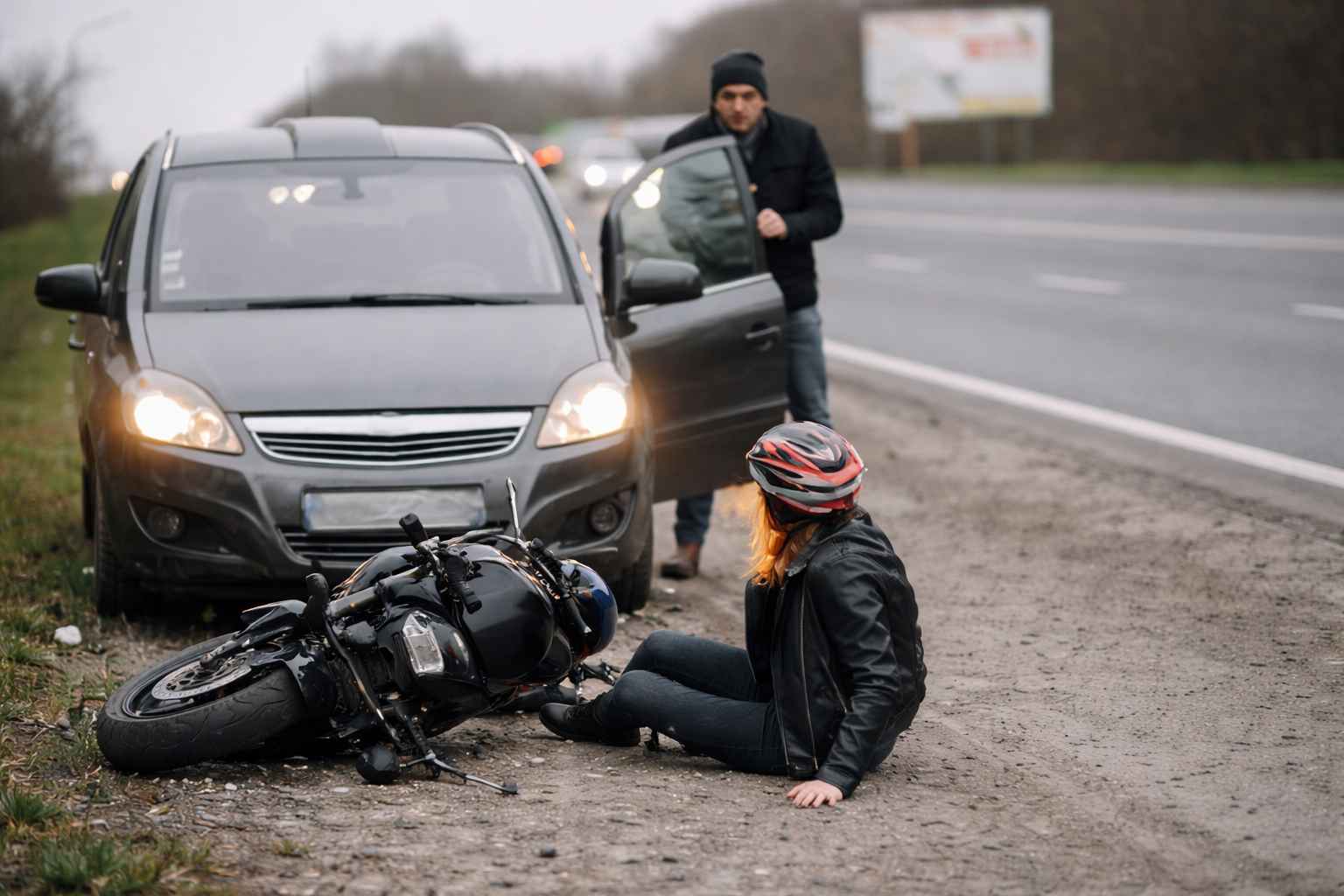
Colorado’s mountain roads and scenic highways attract thousands of motorcyclists every year. But with that freedom comes serious risk. In 2024, a record-breaking 165 motorcyclists lost their lives on Colorado roads, the highest number ever recorded in state history. That represents a staggering 57% increase in motorcycle deaths over the past decade. These aren’t just statistics; they’re fellow riders, family members, and community members.
If you’ve been injured in a motorcycle crash, the experienced team at Lampert & Walsh, LLC stands ready to help you navigate the legal complexities while you focus on recovery.
Why Motorcycle Accidents Happen in Colorado?
Understanding the root causes of motorcycle crashes is the first step toward preventing them. Colorado faces unique challenges that contribute to elevated accident rates among riders.
1. Speeding: The Leading Culprit
Speed plays a devastating role in motorcycle fatalities. According to the National Highway Traffic Safety Administration, 34% of all motorcycle riders involved in fatal crashes in 2020 were speeding, compared to just 22% for passenger car drivers. The problem intensifies among younger riders, with those aged 25-29 showing a 45% speeding involvement rate in fatal crashes.
2. Impaired Riding: Alcohol and Drugs
Impairment remains a persistent threat to motorcycle safety. In 2020, 41% of motorcycle riders who died in single-vehicle crashes nationwide were alcohol-impaired. Colorado specifically saw 20% of its 2024 motorcycle fatalities involve impairment. Alcohol and certain prescription medications compromise judgment, coordination, and alertness—skills that are critical for safe motorcycle operation.
3. Failure to Wear Helmets
Colorado’s helmet law requires only riders under 18 to wear DOT-approved helmets. Adults have the choice, but that choice has deadly consequences. In 2024, 44% of the 165 motorcyclists killed in Colorado were not wearing helmets at the time of the crash. Research from the National Highway Traffic Safety Administration shows that helmets are approximately 37% effective in preventing fatal injuries and reducing the risk of head injuries by 69%.
4. Other Drivers Failing to See Motorcycles
One of the most common and frustrating causes of motorcycle accidents involves other motorists simply not seeing riders. Intersections present particularly high risks, as drivers of passenger vehicles often fail to notice oncoming motorcycles when making turns or changing lanes. The size difference between motorcycles and cars makes bikes harder to detect, especially in blind spots.
5. Road Hazards and Weather Conditions
Colorado’s diverse terrain presents unique riding hazards. Gravel on mountain roads, unexpected wildlife crossings, sudden weather changes, and ice patches in higher elevations all contribute to accident risk. Unlike cars, motorcycles offer no protection when a rider encounters debris, potholes, or slick surfaces.
6. Inexperienced Riders
Lack of proper training and experience increases crash likelihood. Many accidents involve riders who haven’t completed formal motorcycle safety courses or who overestimate their abilities when navigating challenging Colorado roads.
Colorado Motorcycle Statistics: The Numbers Tell a Sobering Story
| Year | Motorcycle Fatalities | Percentage of Total Traffic Deaths |
|---|---|---|
| 2020 | 115 | 18% |
| 2021 | 120 | 19% |
| 2022 | 149 | 20% |
| 2024 | 165 | 24% |
Understanding Helmet Laws in Colorado
Colorado maintains an age-specific helmet law. According to the Colorado General Assembly, any motorcycle operator or passenger under age 18 must wear a DOT-approved helmet while in motion. Adults 18 and older are not legally required to wear helmets, though safety experts universally recommend doing so.
All riders, regardless of age, must wear adequate eye protection—including safety glasses, goggles, or face shields. Windshields alone do not satisfy this legal requirement.
While adults have the legal freedom to ride without helmets, medical evidence is clear: helmets save lives. Don’t let a preventable head injury derail your future.
Defensive Riding Tips to Stay Safer
1. Invest in Quality Safety Gear
Beyond helmets, wear abrasion-resistant jackets, gloves, boots, and pants. Bright or reflective clothing increases your visibility to other drivers.
2. Complete a Motorcycle Safety Course
The Colorado State Patrol operates the Motorcycle Operator Safety Training (MOST) program. Formal training teaches advanced techniques for emergency situations and hazard avoidance.
3. Maintain Your Motorcycle
Regular maintenance prevents mechanical failures that can lead to crashes. Check tire pressure, brakes, lights, and fluid levels before every ride.
4. Ride Defensively
Assume other drivers don’t see you. Position yourself in lanes where you’re most visible, avoid blind spots, and create space cushions around your bike.
5. Adjust Riding to Conditions
Reduce speed in adverse weather, on unfamiliar roads, or when visibility decreases. Leave extra following distance on wet or gravelly surfaces.
6. Stay Sober
Never ride under the influence of alcohol or drugs. Even prescription medications can impair your ability to react quickly.
7. Watch Intersections Carefully
Most motorcycle-car collisions occur at intersections. Approach with heightened awareness, make eye contact with drivers when possible, and be prepared for vehicles to turn across your path.
8. Plan Your Route
Familiarize yourself with road conditions before heading out. Check weather forecasts and avoid riding during peak wildlife activity hours in rural areas.
Motorcycle Safety Statistics Comparison
| Factor | With Safety Measure | Without Safety Measure |
|---|---|---|
| Helmet Use | 37% reduction in fatal injuries | 69% higher risk of head injury |
| Alcohol Impairment | Standard crash risk | 41% of single-vehicle fatalities |
| Speed Compliance | 22% fatal crash involvement (cars) | 34% fatal crash involvement (motorcycles) |
| Safety Training | Fewer and less severe crashes | Higher accident likelihood |
Sources: National Highway Traffic Safety Administration, Colorado Department of Transportation
Legal Help When You Need It Most
Motorcycle accidents often result in catastrophic injuries requiring extensive medical treatment and long recovery periods. Insurance companies may try to minimize payouts or blame riders for their own injuries. Having experienced legal representation makes a critical difference in securing the compensation you deserve.
Lampert & Walsh, LLC has helped countless Colorado motorcyclists navigate the complex legal landscape following serious accidents. Our team understands the unique challenges riders face and fights tirelessly to protect your rights. Don’t face this battle alone—contact us today for a consultation.
Frequently Asked Questions (FAQs)
What is the leading cause of motorcycle accidents in Colorado?
Speeding is the primary factor, with 34% of motorcyclists involved in fatal crashes exceeding speed limits. Alcohol impairment and lack of helmet use also contribute significantly to accident severity and fatalities.
Do I legally have to wear a helmet when riding in Colorado?
Only riders under 18 must wear DOT-approved helmets in Colorado. Adults 18 and older can legally ride without helmets, though safety experts strongly recommend wearing one to reduce fatal injury risk by 37%.
How much more dangerous are motorcycles compared to cars in Colorado?
Motorcycles represent just 3% of vehicles on Colorado roads but account for 24% of all traffic fatalities. Nationally, motorcyclists are approximately 28 times more likely to die in crashes than passenger car occupants.
What should I do immediately after a motorcycle accident in Colorado?
Seek medical attention immediately, document the scene with photos, report the accident to police, avoid making statements to insurance adjusters, and contact an experienced motorcycle accident attorney to protect your legal rights and compensation claims.
Are there specific times or locations where motorcycle accidents occur most frequently in Colorado?
Motorcycle fatalities tend to increase during summer riding months. Intersections present particularly high risks, with 74% of crashes being head-on or rear-end collisions. Denver and surrounding counties see the highest absolute numbers of crashes.