
Every year, thousands of Colorado drivers face the devastating consequences of vehicle collisions. However, not all accidents are created equal in the eyes of the law. When alcohol or drugs impair a driver, the legal landscape shifts dramatically from standard negligence cases to complex proceedings involving both criminal prosecution and enhanced civil liability.
According to the Colorado Department of Transportation, alcohol-impaired driving fatalities accounted for 32% of all traffic deaths in the state in recent years. These aren’t just statistics; they represent families torn apart by preventable tragedies. If you’ve been injured by an impaired driver, the experienced attorneys at Lampert & Walsh, LLC can help you navigate the unique legal challenges these cases present and fight for the maximum compensation you deserve.
The Fundamental Legal Distinction
Standard Car Accident Cases
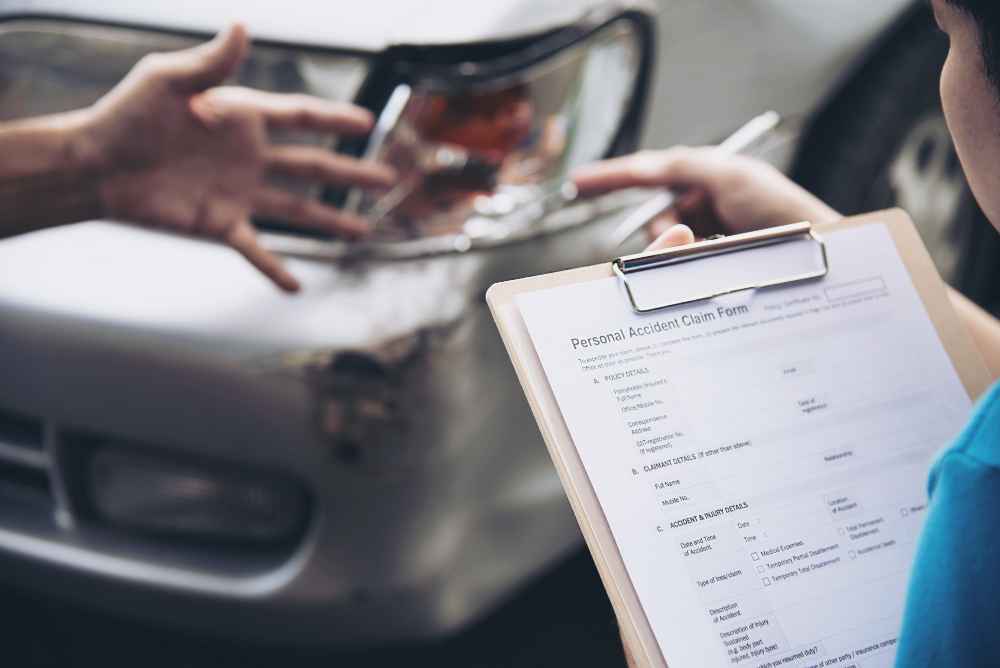
Regular car accidents typically involve civil negligence claims where the injured party must prove the at-fault driver failed to exercise reasonable care. These cases focus on establishing four elements:
- The defendant owed a duty of care to other road users
- The defendant breached that duty through careless or inattentive driving
- The breach directly caused the accident
- The plaintiff suffered actual damages
Drunk Driving Accident Cases
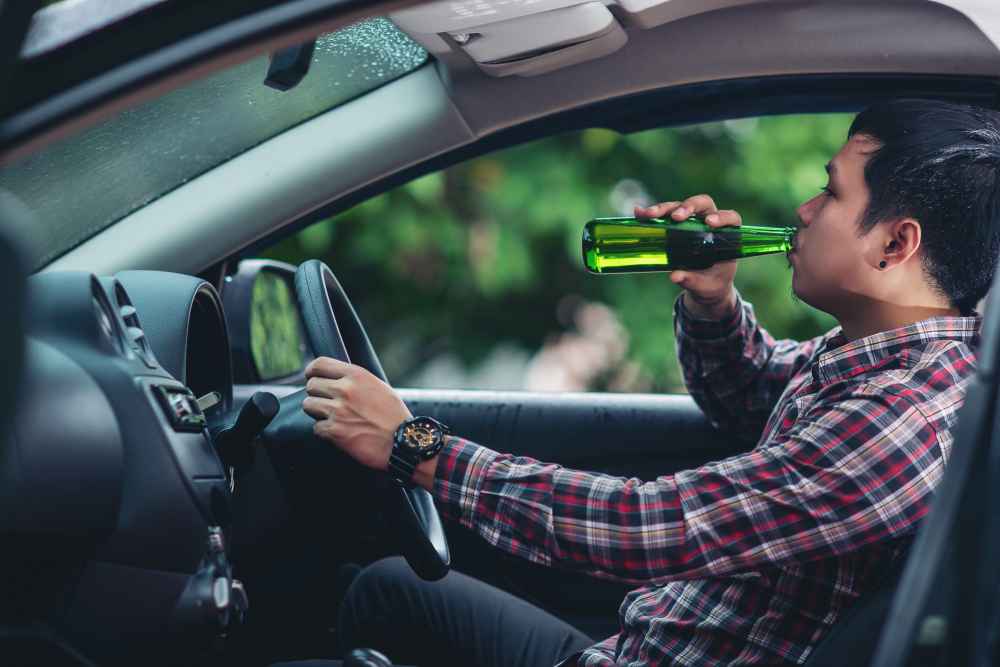
DUI liability cases involve a fundamentally different legal framework. When a driver operates a vehicle while impaired, they’re not merely negligent—they’re engaging in willful misconduct that triggers both criminal prosecution and enhanced civil liability. Colorado law sets the blood alcohol concentration (BAC) limit at 0.08% for most drivers, with lower thresholds for commercial drivers (0.04%) and drivers under 21 (0.02%).
The National Highway Traffic Safety Administration reports that drunk driving crashes cost the United States $44 billion annually in medical expenses, property damage, and lost productivity.
Criminal vs Civil Case Proceedings
The Dual-Track Legal System
One of the most significant differences in drunk driving accidents is parallel criminal and civil case proceedings. This dual-track system creates unique opportunities and challenges for victims.
Criminal Case Components:
- Initiated by the state prosecutor, not the victim
- Focuses on punishing the offender and protecting public safety
- Requires proof “beyond a reasonable doubt”
- Results in fines, jail time, license suspension, or probation
- Victim has limited control over prosecution decisions
Civil Case Components:
- Initiated by the victim (plaintiff) seeking compensation
- Focuses on making the victim financially whole
- Requires proof by “preponderance of evidence” (lower standard)
- Results in monetary damages paid to the victim
- Victim controls settlement and litigation decisions
Evidence Standards and Collection
Standard Accident Evidence
Traditional car accident cases rely on:
- Police accident reports
- Witness statements
- Photographs of vehicle damage and scene conditions
- Traffic camera footage
- Expert accident reconstruction testimony
- Medical records documenting injuries
Enhanced Evidence in DUI Cases
Drunk driving accident cases involve specialized evidence that strengthens liability claims:
Chemical Test Results:
- Breathalyzer readings
- Blood alcohol analysis
- Drug screening results
- Chain of custody documentation
Field Sobriety Tests:
- Walk-and-turn performance
- One-leg stand results
- Horizontal gaze nystagmus observations
- Officer testimony about impairment indicators
Behavioral Evidence:
- Dashboard or body camera footage
- 911 call recordings
- Bar or restaurant receipts showing alcohol purchases
- Testimony from passengers or establishment staff
Comparative Table: Legal Differences
| Aspect | Regular Car Accident | Drunk Driving Accident |
|---|---|---|
| Legal Standard | Civil negligence only | Criminal violation + civil negligence |
| Burden of Proof | Preponderance of evidence | Beyond reasonable doubt (criminal); Preponderance (civil) |
| Evidence Types | Standard accident reconstruction | Chemical tests, field sobriety, behavioral evidence |
| Available Damages | Compensatory damages only | Compensatory + punitive damages CO |
| Insurance Response | Standard claim processing | Potential policy exclusions, higher settlements |
| Criminal Penalties | None (unless charged separately) | Jail time, fines, license suspension |
| Victim’s Role | Controls entire civil case | Limited control over criminal prosecution |
Insurance Implications and Coverage Differences
Standard Accident Claims
In typical car accidents, the at-fault driver’s insurance generally covers:
- Medical expenses up to policy limits
- Property damage
- Lost wages
- Pain and suffering
DUI Accident Insurance Complexities
Drunk driving accidents introduce several insurance complications:
- Policy Exclusions: Some insurance policies contain exclusions for intentional or criminal acts. While Colorado generally prohibits complete denial of coverage for DUI accidents, insurers may argue for reduced payments or policy limit restrictions.
- Higher Settlement Values: Insurance companies recognize that DUI cases present significant litigation risk due to punitive damages of CO exposure and sympathetic juries. This often results in higher initial settlement offers to avoid trial.
Impact on Victims' Recovery
Compensation Comparison
| Damage Category | Regular Accident | DUI Accident |
|---|---|---|
| Medical Expenses | Actual costs incurred | Actual costs incurred |
| Lost Wages | Documented income loss | Documented income loss |
| Property Damage | Repair or replacement value | Repair or replacement value |
| Pain & Suffering | Based on injury severity | Often higher due to jury sympathy |
| Punitive Damages | Not available | Available (up to 3x compensatory or $500K) |
| Dram Shop Recovery | Not applicable | Potentially available |
The Emotional and Psychological Dimension
Beyond financial compensation, drunk driving victims often experience profound emotional trauma knowing that their injuries resulted from someone’s conscious decision to drive while impaired. This knowledge can complicate recovery and intensify feelings of anger, anxiety, and hypervigilance while driving.
The legal system recognizes this distinction. Juries in DUI cases tend to award more generous pain and suffering damages, acknowledging that victims face not only physical injuries but also the psychological burden of being harmed by preventable, reckless conduct.
Timeline Differences Between Case Types
Standard Accident Timeline
- Immediate: Accident occurs; police respond
- Days 1-7: Medical treatment begins; insurance claims filed
- Weeks 2-8: Insurance investigation; damage assessments
- Months 3-12: Treatment continues; demand letters sent
- Months 6-18: Negotiation and potential settlement
- Year 2-3: Trial if settlement fails
DUI Accident Timeline
- Immediate: Accident occurs; DUI arrest
- Days 1-30: Criminal charges filed; arraignment
- Months 1-6: Criminal pre-trial proceedings; plea negotiations
- Months 3-12: Criminal trial or plea agreement
- Months 6-18: Civil case filed after criminal resolution
- Months 12-24: Civil discovery enhanced by criminal evidence
- Year 2-3: Civil settlement or trial with punitive damages CO
Why Legal Representation Matters More in DUI Cases?
While all accident victims benefit from experienced legal counsel, drunk driving cases demand specialized knowledge of:
- Criminal Procedure: Understanding how to leverage criminal proceedings for civil advantage
- Enhanced Evidence: Properly obtaining and presenting chemical tests and field sobriety results
- Punitive Damages CO Strategy: Building the clear and convincing evidence case for maximum awards
- Insurance Negotiations: Countering policy exclusion arguments and maximizing settlements
- Multi-Party Claims: Pursuing dram shop liability and other additional defendants
- Trial Presentation: Effectively conveying the defendant’s culpability to sympathetic juries
Get Experienced Legal Help After a DUI Accident
If you’ve been injured by an impaired driver in Colorado, you deserve attorneys who understand these critical distinctions and know how to maximize recovery in DUI liability cases. The team at Lampert & Walsh, LLC brings decades of combined experience handling both types of cases, with proven results documented in our client testimonials. Contact us today for a free consultation to discuss your case and learn how we can help you secure the compensation and justice you deserve.
Frequently Asked Questions (FAQs)
Can I file a civil lawsuit even if the drunk driver wasn't criminally convicted?
Yes. Civil cases require only a preponderance of evidence (51% certainty), while criminal cases require proof beyond reasonable doubt. You can succeed civilly even if criminal prosecution failed.
How long do I have to file a drunk driving accident claim in Colorado?
Colorado’s statute of limitations generally allows three years from the accident date for personal injury claims and two years for wrongful death claims, regardless of DUI involvement.
Will I receive compensation faster in a DUI case compared to regular accidents?
Potentially. Insurance companies often settle DUI cases more quickly to avoid punitive damages CO exposure at trial, though criminal proceedings may initially delay civil case progression until evidence is established.
Can I sue the bar that served the drunk driver?
Yes, under Colorado’s dram shop laws. You can pursue claims against establishments that served alcohol to visibly intoxicated patrons or minors who subsequently caused accidents, providing additional compensation sources.
What if the drunk driver was uninsured or underinsured?
Your own uninsured/underinsured motorist coverage provides protection. Additionally, dram shop claims against alcohol vendors may offer alternative recovery paths when the driver lacks adequate insurance coverage.