

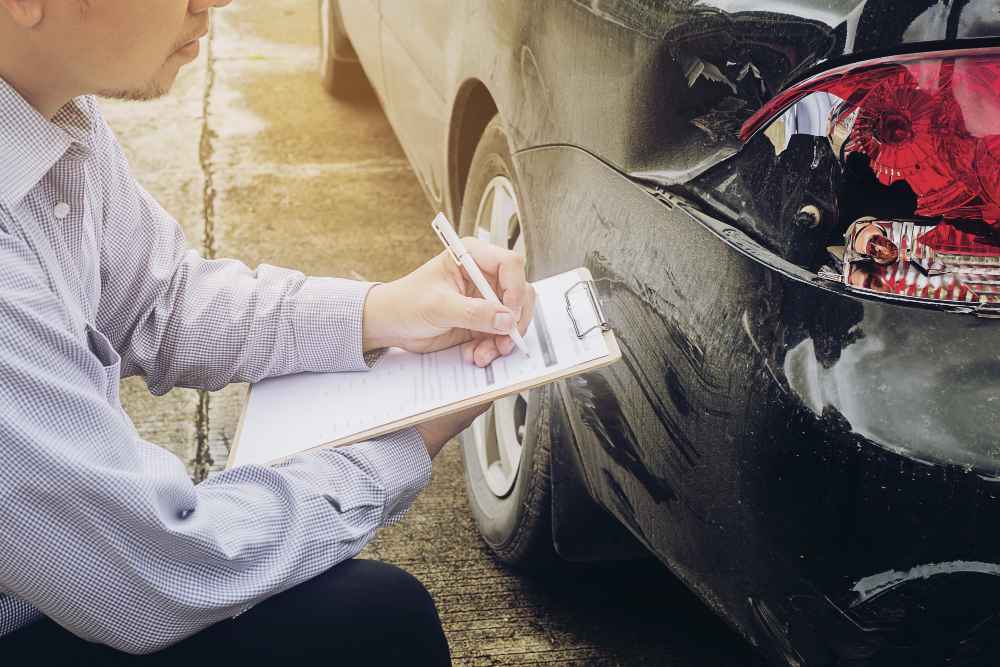
After a collision on I-25 or a fender-bender in LoDo, the most pressing question for any driver is: Who pays for the damage? The answer depends entirely on the state’s legal framework. A common point of confusion for those new to the Mile High City is whether they are operating under a “no-fault” or “at-fault” system. Understanding this distinction is the foundation of your recovery.
At Lampert & Walsh, LLC, we specialize in providing insurance system clarity to victims when they need it most. Navigating the aftermath of a crash is stressful enough without having to decode complex statutes. As a premier Denver personal injury firm, we ensure our clients understand their rights under the Colorado auto insurance system from day one.
Is Colorado a Fault State for Car Accidents?
Yes. To answer the most frequent question we receive: is Colorado a fault state for car accidents? The answer is a definitive yes. Since 2003, Colorado has operated under a traditional “tort” or fault-based system.
In a fault-based system, the driver who caused the accident is legally and financially responsible for the resulting damages. This is the opposite of a no-fault state, where each driver’s own insurance covers their medical bills regardless of who was to blame. In Denver, if you are not at fault, you seek compensation from the other driver’s insurance carrier.
Mandatory Liability Minimums in Colorado
To ensure drivers can cover the damages they cause, the state mandates specific insurance minimums. Colorado law requires all registered vehicles to have liability insurance.
| Coverage Type | Minimum Required Amount |
|---|---|
| Bodily Injury (Per Person) | $25,000 |
| Bodily Injury (Per Accident) | $50,000 |
| Property Damage | $15,000 |
The Tort System Explained: How Liability is Assigned
Because the tort system explained revolves around “wrongdoing,” the burden of proof lies with the injured party. To recover money, you must prove the other driver was negligent. Negligence in liability rules Denver crashes typically involves:
- Distracted driving (texting or using a handheld device)
- Speeding or aggressive maneuvers
- Disobeying traffic signals or signs
- Driving under the influence of alcohol or drugs
According to the Colorado Department of Transportation (CDOT), driver behavior remains the primary factor in the thousands of accidents reported annually across the state.
Modified Comparative Negligence: The 50% Rule
One unique aspect of the Colorado auto insurance system is the “Modified Comparative Negligence” rule. In many accidents, fault isn’t 100% on one person. Perhaps one driver was speeding, but the other driver failed to use a turn signal.
In Colorado, you can still recover damages if you are less than 50% responsible for the crash. However, your payout will be reduced by your percentage of fault. If a jury determines you were 20% at fault for a $100,000 claim, you will receive $80,000. If you are found to be 50% or more at fault, you are barred from recovering anything from the other party.
Fault vs. No-Fault Comparison
| Feature | Fault System (Colorado) | No-Fault System (Other States) |
|---|---|---|
| Who Pays? | The At-Fault Driver’s Insurance | Your Own Insurance (PIP) |
| Proof Required? | Yes, must prove negligence | No, regardless of blame |
| Pain and Suffering? | Can be claimed immediately | Usually requires a “severity threshold” |
| Lawsuit Rights? | Broad right to sue | Limited right to sue |
The Role of "MedPay" in an At-Fault State
While Colorado is a fault state, insurance companies are required by law to offer you Medical Payments (MedPay) coverage. MedPay acts like a mini “no-fault” policy. It provides a small pool of money (usually $5,000) that pays for your immediate medical treatment regardless of who caused the accident.
Unless you opted out of MedPay in writing when you purchased your policy, you likely have this coverage. It is an essential tool for Denver drivers to cover ER co-pays and immediate costs while the larger liability rules Denver crashes are being investigated. You can see how we have helped clients navigate these insurance hurdles.
Navigating the System with Lampert & Walsh, LLC
The shift from fault vs no-fault states can be confusing, especially when you are dealing with the physical pain of an injury. In Colorado, the burden of proving fault falls on you, and insurance companies will use every trick in the book, including comparative negligence, to reduce what they owe.
At Lampert & Walsh, LLC, we are experts at handling the liability rules Denver crashes present. We investigate the evidence, challenge unfair fault assignments, and fight to ensure the at-fault party is held fully accountable. Don’t let a complex insurance system stand between you and the compensation you deserve. Contact us today for a free consultation and let us put our experience to work for you.
Frequently Asked Questions (FAQs)
Is Colorado a fault state for car accidents?
Yes, Colorado follows an at-fault (tort) system. The driver responsible for causing the crash must pay for the other party’s damages through their liability insurance. This requires the victim to prove the other driver was negligent.
What happens if the at-fault driver has no insurance?
If the other driver is uninsured, you must rely on your own Uninsured Motorist (UM) coverage if you have it. If you do not have UM coverage, you may have to sue the driver personally, which is often difficult.
Can I still get money if the accident was partly my fault?
Yes, under modified comparative negligence, you can recover damages if you are 49% or less at fault. Your final compensation will be reduced by your percentage of blame. If you are 50% responsible, you get nothing.
Do I have to pay my own medical bills after a Denver crash?
Initially, yes. In an at-fault state, the other driver’s insurance does not pay your doctors directly as you go. They pay in a one-time settlement at the end of your case. MedPay can help cover these costs upfront.
What is the "tort system" in simple terms?
The tort system is a legal framework where the person who commits a “wrong” (the tort) is held liable for the damages. In car accidents, it means the person who broke traffic laws pays for the resulting injuries.