
For many Colorado riders, the freedom of the open road includes the choice to ride without a helmet. While this is a protected right for adults in our state, that choice often becomes a focal point in the legal battle following a crash. Insurance companies frequently use the absence of a helmet to trigger a “bias and fault mitigation” strategy, attempting to devalue your claim regardless of who actually caused the collision.
At Lampert & Walsh, LLC, we are staunch defenders of “rider rights CO” residents deserve. We understand that while a helmet can reduce injury severity, its absence does not give a negligent driver a pass for their actions. Whether you were cruising through the Rockies or navigating Denver traffic, our firm is dedicated to ensuring that your legal recovery is not unfairly docked due to personal safety choices that are perfectly legal under state law.
Understanding the 2026 Colorado Motorcycle Helmet Law
Colorado remains one of the few states with a partial helmet mandate. As of 2026, the statutory requirements for protective gear are clear but nuanced.
- Adult Riders (18+): Colorado law does not require riders or passengers aged 18 and older to wear a helmet.
- Minors: Any operator or passenger under the age of 18 must wear a DOT-approved motorcycle helmet.
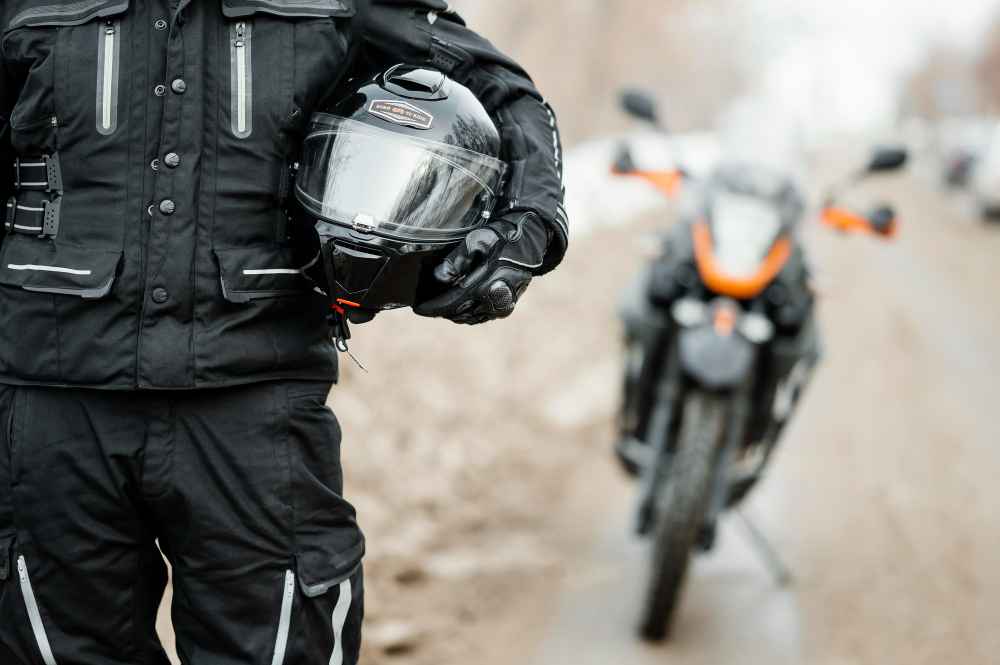
- Eye Protection: This is mandatory for all riders and passengers, regardless of age. A windshield does not satisfy this requirement; you must wear goggles, glasses with safety lenses, or a helmet visor.
Rider Compliance Requirements
| Safety Element | Requirement for Adults (18+) | Requirement for Minors (<18) |
|---|---|---|
| Helmet Use | Optional / Personal Choice | Mandatory (DOT Approved) |
| Eye Protection | Mandatory | Mandatory |
| Lane Filtering | Legal (Under 15 mph) | Legal (Under 15 mph) |
| Lane Splitting | Illegal | Illegal |
The distinction between “lane filtering” (legalized in August 2024) and “lane splitting” (still illegal) is a common area of insurance bias. Adjusters may try to conflate legal filtering with reckless splitting to shift blame onto the rider.
The Comparative Negligence Trap: Helmet Use Fault Arguments
The most significant hurdle for an unhelmeted rider is comparative negligence. Under Colorado Revised Statutes § 13-21-111, the state follows a “Modified Comparative Negligence” rule with a 50% bar.
If you weren’t wearing a helmet and suffered a traumatic brain injury (TBI), the defense will use helmet use fault arguments to claim you are partially responsible for the extent of your injuries. They will argue that while their driver caused the crash, your choice not to wear a helmet made the injury worse.
How Fault Allocation Impacts Compensation
| Assigned Rider Fault | Total Case Value | Final Payout |
|---|---|---|
| 0% (Helmet worn or unrelated injury) | $500,000 | $500,000 |
| 20% (Helmet not worn; head injury) | $500,000 | $400,000 |
| 45% (Significant “safety negligence” claim) | $500,000 | $275,000 |
| 50%+ (Barred from recovery) | $500,000 | $0 |
It is crucial to note that not wearing a helmet cannot be used to prove you caused the accident. It can only be used to argue you failed to “mitigate” your damages. If your injuries were to your legs, arms, or torso, the helmet argument should have zero impact on your valuation. Explore our practice areas to see how we isolate head injury arguments from the rest of your medical recovery.
Combating Insurance Bias Against Riders
There is an inherent “insurance bias” against motorcyclists. Adjusters often view riders as inherently “risky,” a stereotype that they use to justify lower settlement offers. When a rider is unhelmeted, this bias is amplified.
2024-2025 Colorado Motorcycle Fatality Statistics
Recent data from the Colorado Department of Transportation (CDOT) shows an alarming trend. In 2024, Colorado recorded 165 motorcyclist deaths—the highest in state history. Of those fatalities, approximately 44% were not wearing helmets.
While these statistics are used by the state to encourage safety, insurance companies use them to create a narrative that unhelmeted riders are “reckless.”
Why Documentation and Expert Evidence Matter
Because injury severity is often higher in motorcycle crashes, the dollar amounts at stake are significant. To protect your claim from the “no-helmet” deduction, we prioritize:
- Biomechanical Analysis: Proving that the force of the impact exceeded the protective capabilities of any standard helmet.
- Medical Timing: Documenting that the most severe injuries were orthopedic or internal, where a helmet provides no protection.
- Witness Credibility: Ensuring the police report accurately reflects that your riding behavior was legal and prudent, regardless of your gear.
Protect Your Recovery with Lampert & Walsh, LLC
A motorcycle accident can change your life in a heartbeat. When you are facing a long road to recovery, the last thing you should have to fight is an unfair bias against your choice of riding gear. The Colorado motorcycle helmet law injury claims process is designed for those who understand the nuances of the law and the rights of the rider.
At Lampert & Walsh, LLC, we don’t let insurance companies bully our clients. We provide the “procedural clarity” and “data-backed authority” needed to mitigate fault arguments and maximize your recovery. We ride, we understand the culture, and we know how to win. Contact us today for a free consultation. Let us handle the legal battle so you can focus on getting back on two wheels.
Frequently Asked Questions (FAQs)
Can I still sue if I wasn't wearing a helmet in Colorado?
Yes. Because Colorado law does not require adults to wear helmets, you have every right to pursue a claim. However, the insurance company will likely try to reduce your payout by claiming your head injuries would have been less severe with a helmet.
Does not wearing a helmet prove I was at fault for the crash?
No. Helmet use is a “damages” issue, not a “liability” issue. Not wearing a helmet does not cause a car to turn left in front of you or a truck to rear-end you. Your attorney’s job is to keep these two issues separate.
What is the eye protection law for motorcycles in Colorado?
All riders and passengers are legally required to wear eye protection, such as goggles or safety glasses. A windshield is not enough. If you were not wearing eye protection and suffered an eye injury, this could significantly impact your claim.
How much can an insurance company take away for not wearing a helmet?
There is no set percentage. It depends on what a jury or adjuster believes. If they decide you are 20% responsible for your head injury because you chose not to wear a helmet, your total award will be cut by 20%.
What is the lane filtering law passed in 2024?
As of August 2024, motorcyclists can legally pass stopped vehicles in the same lane if they are going 15 mph or less. This is “lane filtering,” and it is designed to prevent rear-end collisions. Lane splitting (moving through active traffic) remains illegal.