
Slip and fall accidents can happen in an instant but leave lasting consequences. In Colorado, these accidents occur frequently within commercial settings such as retail stores, shopping malls, restaurants, office complexes, and other business premises. Victims often suffer serious injuries, ranging from broken bones to head trauma, leading to significant medical expenses, emotional stress, and lost wages.
If you or someone you know has been injured in a slip and fall incident at a business, it’s critical to understand who may be held responsible under Colorado law. Filing a claim or lawsuit could help you recover compensation for your damages—but liability in these cases depends on multiple factors, including the legal duties owed by the business owner, your visitor status, and your actions at the time of the fall.
This article provides a detailed, step-by-step breakdown of slip and fall liability in Colorado, including key legal standards, common causes of these accidents, methods for proving fault, and practical guidance for pursuing compensation.
Understanding Premises Liability Laws in Colorado
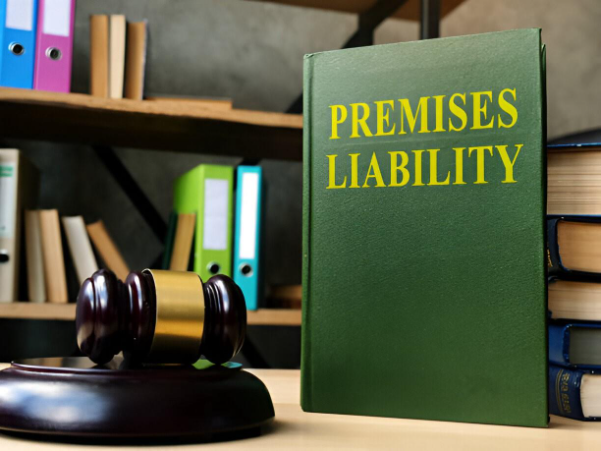
Slip and fall cases in Colorado are governed by a specific section of personal injury law known as premises liability. This law outlines the duties and responsibilities property owners and managers have toward people who visit their premises.
1. The Colorado Premises Liability Act (CPLA)
The cornerstone of premises liability law in Colorado is the Colorado Premises Liability Act (CPLA). This legislation clearly defines how liability is determined when someone is injured on another person’s property. Under the CPLA, the level of responsibility a business has toward you depends on your visitor status:
- Invitee: Someone who enters the property for a business purpose, such as a customer at a store or a client visiting an office. Businesses owe the highest duty of care to invitees and must regularly inspect the premises, fix hazardous conditions, and provide adequate warnings about potential dangers.
- License: Someone who enters the property for social reasons, like a dinner guest. Property owners owe a lesser duty to licensees and are primarily required to warn them of known dangers.
- Trespasser: Someone who enters the property without permission. Businesses generally owe no duty of care to trespassers, except to avoid causing intentional harm.
If you were visiting a business for commercial purposes, you are classified as an invitee, meaning the business must take reasonable steps to keep you safe.
2. Duty of Care Owed to Business Visitors
Businesses in Colorado must take proactive measures to maintain safe premises. Their legal duty of care includes:
- Conducting regular inspections to identify hazards.
- Fixing known issues, such as repairing broken flooring or cleaning spills.
- Placing clear and visible warnings near temporary hazards (like wet floor signs after mopping).
- Ensuring adequate lighting throughout the property.
- Removing snow and ice from sidewalks and parking lots in a reasonable timeframe after storms.
If a business fails to meet these obligations and an injury occurs as a result, it may be held financially liable.
Common Causes of Slip & Fall Accidents in Businesses
Many different conditions and hazards can contribute to slip and fall accidents on business properties. Identifying the specific cause of the accident is essential for building a strong legal case.
1. Wet, Slippery, or Recently Mopped Floors
Spills, leaks, or freshly mopped floors are some of the most common causes of slip and fall accidents. Businesses must clean up spills promptly and post warning signs to notify customers of wet floors.
Failure to do so creates a dangerous condition, increasing the risk of falls. For example, if a grocery store fails to clean up a spilled liquid in an aisle, they may be responsible for resulting injuries.
2. Uneven, Cracked, or Damaged Flooring
Flooring defects, such as loose tiles, torn carpets, uneven pavement, or cracked walkways, can easily cause people to trip and fall. Businesses are responsible for regularly inspecting and maintaining their floors and walkways.
Ignoring these hazards or delaying repairs can make them liable if someone gets injured.
3. Poor Lighting in Walkways and Stairwells
Inadequate lighting can prevent customers from seeing hazards clearly. This is especially dangerous in stairwells, hallways, or parking garages where poor visibility can cause serious accidents.
Businesses must provide adequate lighting in all areas where customers are expected to walk.
4. Obstructed Aisles and Walkways
Merchandise, displays, cords, or cleaning equipment placed in aisles and walkways can create tripping hazards. Businesses should ensure all walkways are kept clear and clutter-free at all times.
5. Ice, Snow, and Outdoor Hazards
Due to Colorado’s snowy climate, businesses must clear snow and ice from their sidewalks, entryways, and parking lots within a reasonable amount of time after a snowstorm. Failing to remove ice or applying insufficient de-icing treatment may result in liability for injuries caused by slips and falls outdoors.
Who’s at Fault in a Business Slip & Fall Accident?
Determining liability in a slip and fall accident on business property involves evaluating several factors under Colorado law.
1. Did the Business Know About the Hazard?
One of the key questions in any slip and fall case is whether the business:
- Knew about the hazard.
- Should have known about it through reasonable inspection.
Businesses aren’t automatically liable for every accident that happens on their premises. To be held responsible, it must be proven that:
- The hazardous condition existed long enough that a reasonable business would have discovered it through regular inspections.
- The business failed to properly address or provide warnings about the hazard in a timely manner.
If a dangerous condition remained unaddressed for a significant period and no action was taken by the business, liability becomes much more likely.
At Lampert & Walsh, we thoroughly investigate slip and fall cases to determine whether the business knew—or reasonably should have known—about the hazard, ensuring your claim is supported by strong, evidence-based arguments.
2. Was the Business Negligent in Maintaining Safe Conditions?
A business may be considered negligent if it did not take reasonable precautions to prevent accidents. This includes failing to:
- Conduct routine inspections.
- Repair defects.
- Post warnings about temporary hazards.
The court will assess whether the business acted with reasonable care in maintaining the safety of its property.
3. How Does Comparative Negligence Apply?
Colorado applies a modified comparative negligence rule in personal injury cases. This means:
- You can recover damages if you were less than 50% at fault for the accident.
- Your compensation will be reduced by your percentage of fault.
Example: If you were awarded $100,000 but found 30% at fault for not paying attention, you would only receive $70,000.
Proving Fault in a Colorado Slip & Fall Case
To win a slip and fall case against a business, you must present compelling evidence that proves the business was at fault.
1. Collecting Physical Evidence and Visual Proof
Photographic and video evidence is critical in slip and fall cases. Photos of the accident scene, the hazardous condition, and any injuries immediately after the accident provide strong proof.
If the business has surveillance cameras, you can request this footage—ideally with help from a lawyer.
2. Gathering Witness Statements
Eyewitnesses can provide valuable accounts of the incident. This may include:
- Other customers who saw the fall.
- Employees who were aware of the hazard.
These testimonies can help establish that the business failed to act reasonably.
3. Securing Medical Documentation
Medical records demonstrating the nature and extent of your injuries are essential to connect your injuries to the slip and fall incident.
The documentation should include:
- Emergency room reports.
- X-rays or MRI results.
- Doctor’s notes regarding diagnosis and treatment.
4. Utilizing Expert Testimony
In complex cases, expert witnesses such as building code inspectors or safety consultants can testify about whether the business failed to meet industry safety standards.
Damages You Can Recover in a Slip & Fall Claim
Victims of slip and fall accidents may pursue a range of damages to compensate for their losses.
1. Medical Costs
You may recover reimbursement for:
- Doctor visits.
- Surgeries.
- Hospital stays.
- Physical therapy.
- Medications.
- Future medical care related to the injury.
2. Lost Income and Reduced Earning Potential
If your injuries prevent you from working, you can seek compensation for:
- Wages lost during recovery.
- Reduced ability to earn a living in the future.
3. Non-Economic Damages (Pain & Suffering)
Non-economic damages compensate for emotional distress, pain, and decreased enjoyment of life following the injury.
4. Other Out-of-Pocket Expenses
Additional compensation may cover:
- Transportation for medical care.
- Home modifications for mobility.
- Costs of assistive devices like wheelchairs.
Challenges in Filing Slip & Fall Lawsuits in Colorado
Slip and fall lawsuits often involve legal complexities and obstacles.
1. Proving Business Awareness of the Hazard
One of the biggest challenges is demonstrating that the business either knew or should have known about the hazard. Without direct evidence, this can be difficult to establish.
2. Business Defense Strategies
Businesses and their insurers often argue that:
- The hazard was obvious, and you should have avoided it.
- You were distracted or not wearing appropriate footwear.
- The accident was partially or entirely your fault.
These defenses can reduce your compensation or even result in case dismissal.
3. Filing Within the Statute of Limitations
Colorado has a strict two-year statute of limitations for filing personal injury lawsuits. If you miss this deadline, your claim will likely be dismissed, no matter how strong your case is.
Frequently Asked Questions (FAQs)
1. How long do I have to file a slip and fall lawsuit in Colorado?
You have two years from the date of the accident to file a lawsuit in Colorado courts under the statute of limitations.
2. Can I sue if I slipped on ice outside a business?
Yes. If the business failed to remove snow or ice within a reasonable time after a storm, they can be held liable for resulting injuries.
3. Do I have a case if there was a warning sign?
Possibly. If the warning sign wasn’t visible enough or placed improperly, or if the hazard existed beyond the warning, you may still have a valid claim.
4. What compensation can I recover for a slip and fall injury?
You may be entitled to medical costs, lost wages, future earning losses, pain and suffering, and out-of-pocket expenses.
5. Should I hire a lawyer for my slip and fall case?
Yes. A qualified premises liability attorney can help gather evidence, negotiate with insurers, and file a lawsuit if necessary to maximize your compensation.
Conclusion: Understanding Slip & Fall Liability in Colorado Businesses
Slip and fall accidents can result in severe injuries, unexpected medical bills, emotional suffering, and significant financial losses. In Colorado, businesses have a clear legal responsibility to maintain safe premises and protect their customers from foreseeable hazards under the Colorado Premises Liability Act. Whether it’s a wet floor, an icy sidewalk, poor lighting, or an obstructed walkway, a business may be held legally responsible if it fails to correct or warn about dangerous conditions.
However, proving liability requires substantial evidence, including documentation of the hazardous condition, medical records, and witness statements. Victims must also be aware of the modified comparative negligence rule in Colorado, which may reduce compensation if they are partially at fault for the accident.
If you’ve been injured in a slip and fall accident, don’t navigate the legal process alone—contact us at Lampert & Walsh today for a free consultation. Our experienced attorneys are ready to evaluate your case, gather the necessary evidence, and fight for the compensation you deserve.