
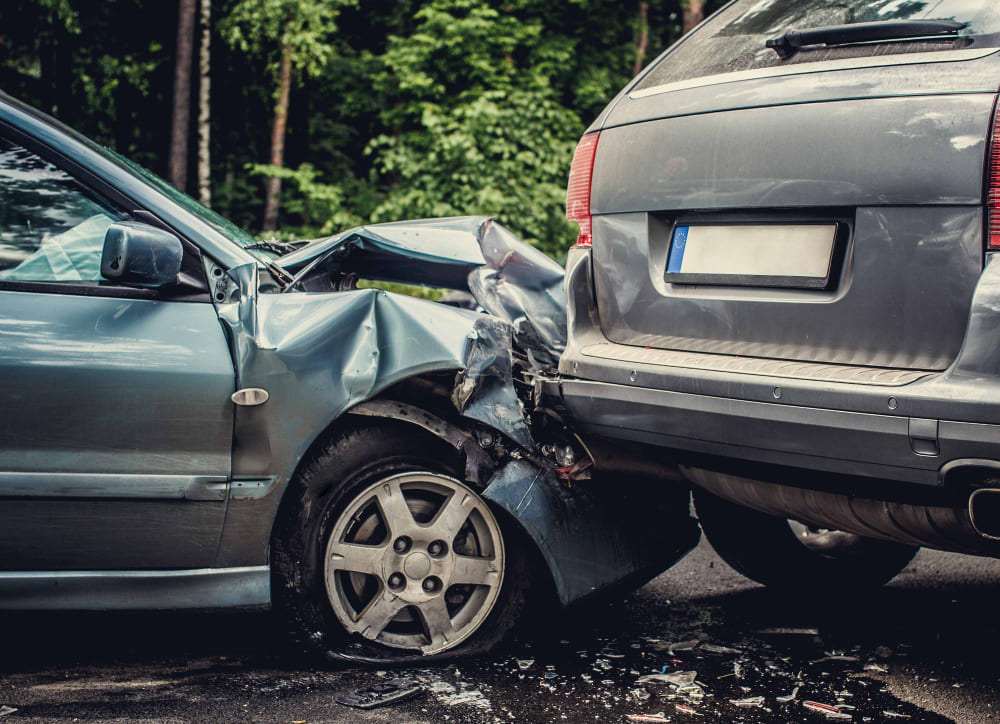

Every 34 minutes, another motor vehicle accident occurs in Denver. In 2024 alone, 665 serious injuries were reported following auto accidents in the city, according to data from the Colorado Department of Transportation. These numbers underscore a critical reality: knowing what to do after a motor vehicle accident in Denver isn’t just helpful for information; it could be the difference between securing fair compensation and facing financial devastation.
When seconds count and confusion reign, having a clear action plan becomes your most asset. At Lampert & Walsh, LLC, our experienced legal team has guided countless accident victims through the complex aftermath of serious collisions, ensuring they receive the compensation and justice they deserve.
The Critical First Moments: Ensuring Safety and Compliance
The immediate aftermath of a serious motor vehicle accident can feel overwhelming, but your actions in these first moments carry significant legal and financial implications. Your priority must always be safety, followed by legal compliance with Colorado statutes.
Check for Injuries and Call 911
Before anything else, assess yourself and others for injuries. In 2024, approximately 39,345 people died in traffic crashes nationwide, according to the National Highway Traffic Safety Administration. Many of these fatalities could have been prevented with immediate medical attention. Even if injuries seem minor, call 911 immediately.
Move to Safety When Possible
If your vehicle is drivable and you’re not seriously injured, move it to the shoulder or a safe location away from traffic flow. Turn on your hazard lights to alert other drivers. However, if moving the vehicle could cause additional injury or the accident is severe, remain where you are and wait for emergency services. Colorado law does permit you to leave the scene temporarily to report the accident, but you must return and remain until police arrived to complete their investigation.
Never Leave the Scene
Leaving the scene of an accident in Colorado constitutes a criminal offense, regardless of who was at fault. Under Colorado Revised Statute, drivers involved in accidents resulting in injury or property damage must remain at the scene or immediately report to the nearest police authority.
Understanding Colorado's Police Report Requirements
Colorado law establishes specific requirements for reporting motor vehicle accidents, and understanding these accident steps CO mandates can protect your legal rights and strengthen your insurance claim.
When Police Must Be Called
According to the Colorado Department of Revenue, you must report any accident involving injury, death, or property damage exceeding $1,000. Police are required to respond to accidents involving injuries, suspected DUI, or situations where drivers cannot provide proof of insurance. In 2024, 769 occupants involved in Denver car accidents were charged with DUI, highlighting the prevalence of impaired driving incidents that require police investigation.
The 60-Day Reporting Window
Colorado law gives you 60 days from the date of the accident to file a crash report if police did not respond to the scene. You can file this report through the Colorado State Patrol’s online system or submit a paper form to the Department of Motor Vehicles. Filing within this timeframe ensures your accident is officially documented, which proves crucial for insurance claims and potential legal proceedings.
Documenting the Scene: Building Your Evidence Foundation
Thorough injury documentation and scene evidence can make or break your insurance claim or legal case. In chaos following an accident, systematic documentation protects your interests.
Essential Information to Collect
Exchange information with all drivers involved, including full names, contact information, driver’s license numbers, license plate numbers, insurance company names and policy numbers, and vehicle make, model, and year. Never admit fault or apologize for the accident, as these statements can be used against you later. Stick to factual information exchange only.
Photographic Evidence
Use your smartphone to document everything. Take photos from multiple angles showing vehicle damage, the accident scene layout, traffic signs or signals, road conditions, weather conditions, skid marks or debris, and visible injuries. These images provide objective evidence that insurance adjusters and attorneys can analyze to reconstruct the accident and establish liability.
Witness Statements
If witnesses saw the accident, collect their names and contact information. Ask if they would be willing to provide a statement about what they observed. Witness testimony often proves decisive in disputed liability cases, particularly when physical evidence is ambiguous or has been compromised.
Create a Written Account
While details remain fresh, write down everything you remember about the accident: the time and location, weather and road conditions, your speed and direction of travel, the other vehicle’s actions, and any unusual circumstances. Your memory will fade over time, making contemporaneous notes invaluable for later recollection.
Understanding Colorado Accident Statistics and Risk Factors
Denver’s roadways present unique challenges that contribute to the city’s accident statistics. Understanding these patterns can help you drive more defensively and strengthen your case if you’re involved in a collision.
| Accident Category | 2024 Statistics | Source |
|---|---|---|
| Total Denver Accidents | 15,256 crashes | Colorado DOT |
| Serious Injuries | 665 reported | Colorado DOT |
| Denver Traffic Fatalities | 52 deaths (through November) | Colorado DOT |
| DUI-Related Occupants | 769 charged | Colorado DOT |
Common Accident Types in Denver
Rear-end accidents comprised 27.83% of all traffic collisions in Denver during 2024, making them the most common crash type. Broadside collisions accounted for 17.97%, while same-direction sideswipe crashes made up 16.57%. Understanding these patterns helps identify high-risk scenarios and driving behaviors.
Special Considerations for Serious Accidents
Serious motor vehicle accidents involving catastrophic injuries or fatalities require specialized legal handling beyond standard insurance claims.
Catastrophic Injury Cases
When accidents result in permanent disability, traumatic brain injury, spinal cord damage, severe burns, or multiple bone fractures, the stakes increase exponentially. These cases require expert medical testimony, life care planning, economic analysis of future lost earnings, and comprehensive documentation of non-economic damages like pain and suffering.
Wrongful Death Claims
Nationwide, traffic crashes claimed 39,345 lives in 2024 according to NHTSA estimates, representing countless families devastated by preventable tragedy. When a motor vehicle accident results in death, surviving family members may pursue wrongful death claims to recover compensation for funeral expenses, lost financial support, loss of companionship, and emotional suffering.
Multiple Party Accidents
Accidents involving multiple vehicles create complex liability scenarios where fault may be shared among several parties. Colorado follows a modified comparative negligence rule, meaning you can recover damages even if you’re partially at fault, as long as your fault doesn’t exceed 49%. However, your compensation will be reduced by your percentage of fault.
When to Contact a Personal Injury Attorney
Not every accident requires legal representation, but certain circumstances make attorney involvement crucial for protecting your rights and maximizing compensation.
Red Flags That Demand Legal Help
Contact an attorney immediately if your accident involved serious injuries requiring hospitalization, permanent disability or disfigurement, a fatality, disputes about who was at fault, an uninsured or underinsured driver, a commercial vehicle or company driver, suspected DUI, or if the insurance company denies your claim.
The Value an Experienced Attorney Provides
At Lampert & Walsh, LLC, our attorneys provide comprehensive services that dramatically increase your likelihood of fair compensation. We conduct thorough investigations to establish liability, engage medical experts to document the full extent of your injuries, calculate comprehensive damages including future medical needs and lost earning capacity, negotiate aggressively with insurance companies, and prepare for trial if settlement negotiations fail.
Act Today to Protect Your Rights
The aftermath of a serious motor vehicle accident in Denver presents overwhelming challenges, but you don’t have to face them alone. Understanding what to do after a motor vehicle accident in Denver, from those critical first moments through long-term recovery, empowers you to protect your rights and secure fair compensation.
Our experienced personal injury attorneys have successfully represented countless Denver accident victims, fighting tirelessly to hold negligent parties accountable and recover maximum compensation for our clients. We understand Colorado law, insurance company tactics, and the medical complexities of serious injury cases. Call Lampert & Walsh, LLC now to schedule your free consultation and take the first step toward justice and recovery.
Frequently Asked Questions (FAQs)
How long do I have to report a motor vehicle accident in Colorado?
You must report accidents to police immediately if they involve injuries, death, or significant damage. For non-emergency accidents, Colorado law requires filing a report within 60 days through the Department of Motor Vehicles.
What if the other driver doesn't have insurance?
Colorado requires all drivers to carry insurance, but many don’t comply. Your uninsured motorist coverage protects you in these situations. Contact an attorney immediately to explore all available compensation options.
Can I still recover compensation if I was partially at fault?
Yes, Colorado follows modified comparative negligence. You can recover damages if you’re less than 50% at fault, though your compensation will be reduced by your percentage of fault.
How much is my motor vehicle accident claim worth?
Claim value depends on injury severity, medical expenses, lost wages, pain and suffering, and liability factors. An experienced attorney can provide a realistic assessment after reviewing your case specifics.
Should I accept the insurance company's first settlement offer?
Initial offers are typically much lower than fair value. Never accept a settlement without consulting an attorney who can properly evaluate whether the offer adequately compensates your injuries and losses.