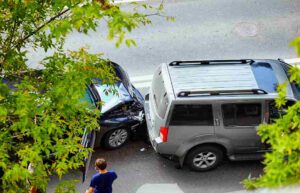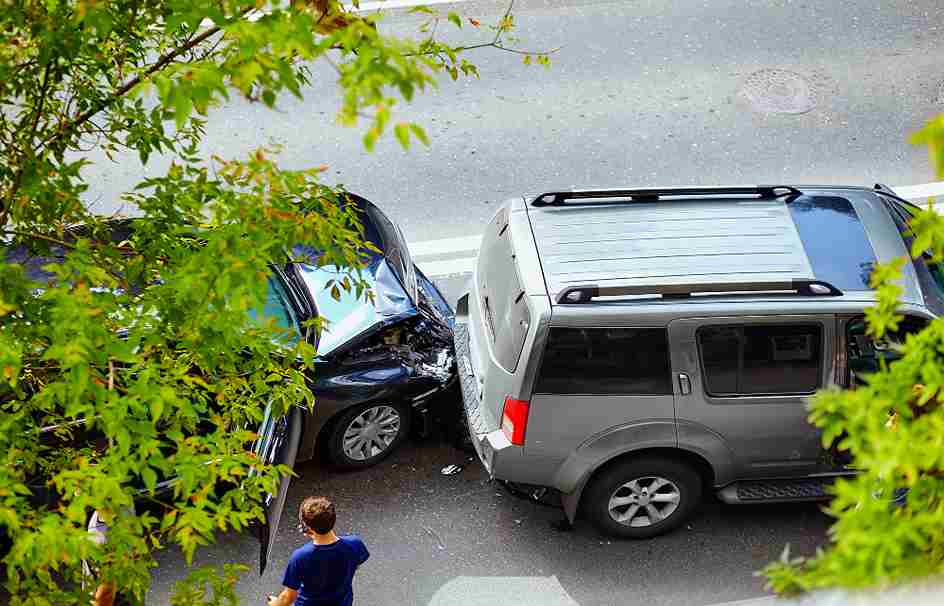
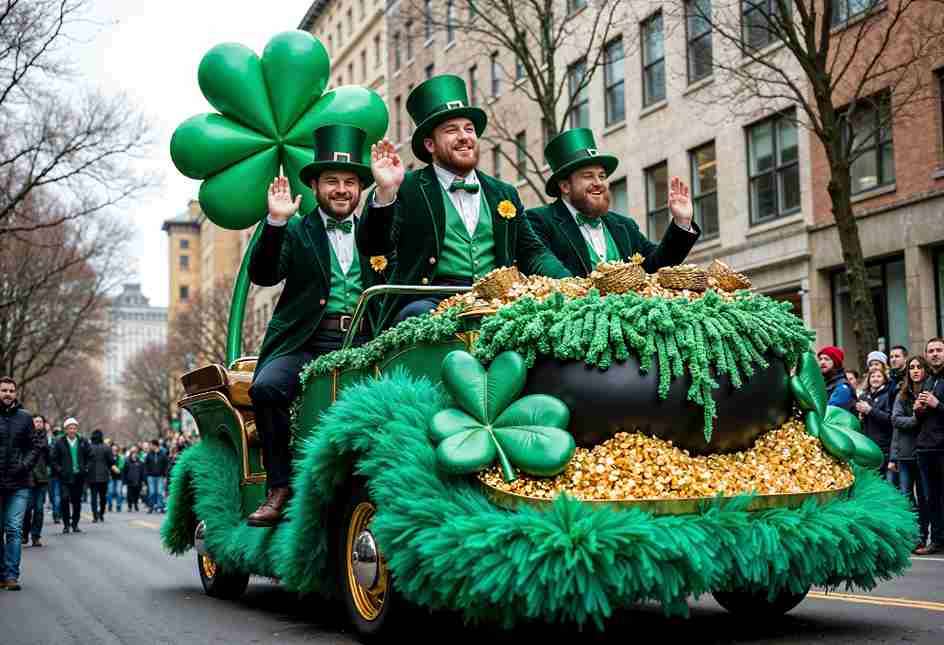
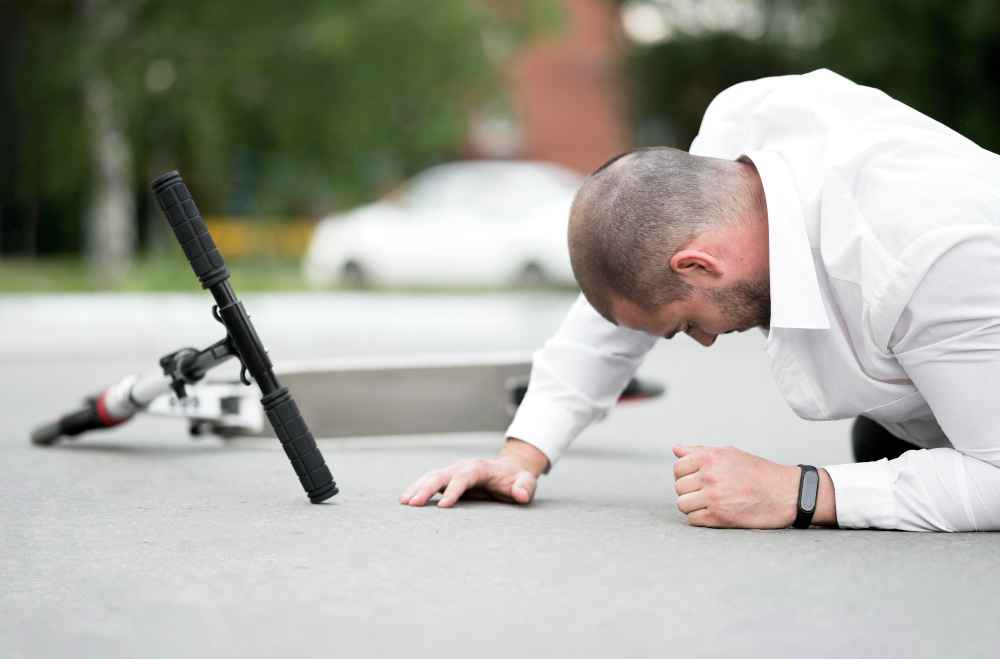
St. Patrick’s Day in Denver is synonymous with crowded pubs, green beer, and city-wide celebrations. Unfortunately, it is also one of the most dangerous times on Colorado roads. When a festive night turns into a life-altering tragedy due to a drunk driver, the focus often shifts solely to the person behind the wheel. However, at Lampert & Walsh, LLC, we know that justice often requires looking further back to the source of the impairment. If a bar or restaurant continues to serve a patron who is clearly intoxicated, they may be just as responsible for the resulting auto accident as the driver themselves.
The Rising Toll of St. Paddy's Day Crashes in Colorado
While the holiday is a boon for local businesses, the statistics surrounding impaired driving during this period are sobering. According to the National Highway Traffic Safety Administration (NHTSA), St. Patrick’s Day consistently ranks among the deadliest holidays on U.S. roads. In Colorado, the Department of Transportation (CDOT) frequently initiates “The Heat Is On” enforcement campaigns to combat the surge in impaired driving.
Data from the Colorado Department of Transportation indicates that during recent St. Patrick’s Day enforcement periods, law enforcement agencies across the state have made hundreds of DUI arrests in a single weekend. Specifically, in 2024, Colorado saw over 15,000 total DUI arrests, averaging one every 33 minutes. During the St. Patrick’s Day holiday, the risk of a St. Paddy’s Day crash CO increases significantly, especially during nighttime hours when nearly half of all fatal crashes involve an impaired driver.
Colorado Impaired Driving Statistics (St. Patrick’s Day Period)
| Metric | Historical Average / Recent Data |
|---|---|
| Peak Arrest Time | Midnight to 3:00 AM |
| Primary Enforcement | CDOT “The Heat Is On” |
| Frequent Crash Causes | Excessive Speed and Over-service |
| Commonly Involved Demographics | Drivers aged 21 to 34 |
Understanding Colorado Liquor Liability Laws
In Colorado, the legal framework that holds alcohol vendors accountable is known as “Dram Shop” liability. The term “dram” refers to a small unit of liquid, an archaic measurement used when the first versions of these laws were written.
A Denver dram shop lawyer utilizes these statutes to seek compensation for victims when a business prioritizes profit over public safety. Under Colorado liquor liability laws, a licensed establishment, such as a bar, tavern, or restaurant, can be held civilly liable for damages if:
- The establishment sold or served alcohol to a person under the age of 21.
- The establishment sold or served alcohol to a person who was “visibly intoxicated” at the time of service.
The "Visibly Intoxicated" Standard
Suing a bar for overserving is not as simple as proving the driver was drunk at the time of the crash. You must prove the patron was visibly intoxicated while they were still at the establishment and were served anyway.
Common indicators that a Denver dram shop lawyer will look for include:
- Slurred or incoherent speech.
- Lack of physical coordination or stumbling.
- Aggressive or overly boisterous behavior.
- Glassy or bloodshot eyes.
- Difficulty handling money or credit cards.
Proving this requires a deep dive into the events leading to the crash. This often involves gathering surveillance footage from the bar, interviewing other patrons, and reviewing point-of-sale receipts to see how many drinks were served in a specific timeframe.
Social Host Liability: Beyond the Bar
It isn’t just commercial businesses that need to be wary. Colorado also recognizes social host liability. While the laws for private individuals are more restrictive than those for bars, a social host can be held liable if they “knowingly served” alcohol to a minor or provided a place for a minor to consume alcohol, and that minor subsequently caused an accident.
Unlike commercial dram shop cases, social hosts in Colorado generally cannot be held liable for overserving adults over 21. However, the consequences of providing alcohol to minors are severe, encompassing both civil liability and potential criminal charges.
Drunk Driving Victim Rights in Denver
Victims of alcohol-related crashes have a suite of drunk driving victim rights designed to help them recover physically, emotionally, and financially. While a criminal case against the drunk driver focuses on punishment and state law, a civil case focuses on the victim.
Through a civil claim, you can pursue:
- Economic Damages: Coverage for medical bills, rehabilitation costs, and lost wages.
- Non-Economic Damages: Compensation for pain and suffering, emotional distress, and loss of enjoyment of life.
- Exemplary (Punitive) Damages: In cases of extreme recklessness, the court may award additional funds to punish the defendant and deter similar behavior.
Comparison of Liability: Driver vs. Establishment
| Feature | Drunk Driver Liability | Dram Shop (Establishment) Liability |
|---|---|---|
| Basis of Claim | Negligence / DUI | Willful and Knowing Over-service |
| Statute of Limitations | Generally, 3 Years (Auto) | Strictly 1 Year |
| Damage Caps | Vary by case type | Strictly capped by C.R.S. § 44-3-801 |
| Evidence Needed | BAC, Police Report | Witness testimony, bar receipts |
How a Denver Dram Shop Lawyer Builds Your Case?
Building a successful claim against a bar requires immediate and aggressive investigation. At Lampert & Walsh, LLC, we employ several strategies to verify over-service:
- Toxicology Experts: We use “retrograde extrapolation” to calculate what a driver’s BAC would have been while they were at the bar based on their BAC at the time of the crash.
- Preservation Letters: We immediately send legal notices to establishments to prevent the deletion of security footage or the destruction of sales records.
- Witness Canvassing: Our team identifies and speaks with bartenders, servers, and other patrons who may have witnessed the driver’s behavior prior to the St. Paddy’s Day crash CO.
Challenging the "Willfully and Knowingly" Threshold
To win a case against an establishment, the law requires proving they acted “willfully and knowingly.” This means the bartender didn’t just make a mistake; they saw signs of intoxication and chose to keep the alcohol flowing. This is a high bar for evidence, which is why having an experienced legal team is vital. We look for patterns of behavior, such as a “two-for-one” special that encourages rapid consumption or a lack of employee training in TIPS (Training for Intervention Procedures).
The Role of Insurance in Liquor Liability
Most bars carry Liquor Liability Insurance. This is separate from their general business insurance and is specifically designed to cover claims related to over-serving. When we file a claim, we are often negotiating with these specialized insurance adjusters. They are trained to minimize payouts by arguing that the driver’s intoxication was not “visible” or that the driver consumed alcohol elsewhere after leaving the bar. We counter these tactics with hard evidence and expert testimony.
Conclusion
St. Patrick’s Day should be a time of celebration, not a date that marks the beginning of a long journey through injury and litigation. When establishments ignore the law to increase their holiday revenue, they must be held responsible for the devastation that follows. We are committed to protecting the rights of those injured by the negligence of both drunk drivers and businesses that enable them. If you or a loved one has been a victim of a St. Paddy’s Day crash CO, do not navigate the complex world of liquor liability alone. Contact our experienced team as we are ready to investigate your case, preserve vital evidence, and fight for the full compensation you deserve.
Frequently Asked Questions (FAQs)
Can I sue a bar if the drunk driver hits me after leaving their establishment?
Yes, under Colorado’s dram shop laws, you can hold a bar liable if you can prove they served the driver while they were visibly intoxicated or under 21. This is a separate legal action from your claim against the driver.
How long do I have to file a dram shop claim in Denver?
In Colorado, the statute of limitations for dram shop claims is strictly one year from the date the alcohol was served. This is much shorter than the standard three-year limit for most Colorado car accidents.
What is the "visible intoxication" standard?
Visible intoxication refers to outward signs that a person has had too much to drink. This includes slurred speech, swaying, stumbling, or aggressive behavior. A Denver Dram shop lawyer must prove the server ignored these signs.
Are there limits on how much I can recover from a bar?
Yes, Colorado law places a statutory cap on damages for dram shop and social host liability cases. This cap is adjusted for inflation periodically by the Secretary of State but generally hovers around $150,000 to $350,000 depending on the year of the incident.
Can a social host be sued for overserving an adult?
Generally, no. In Colorado, social host liability usually only applies if the host knowingly provided alcohol to a minor or provided a place for a minor to drink. Overserving an adult at a private party typically does not result in host liability.